Introduction to Mahakaleshwar Jyotirlinga
The sacred Mahakaleshwar Jyotirlinga in Ujjain is one of the most powerful pilgrimage destinations in India. Dedicated to Lord Shiva, this temple is among the twelve Jyotirlingas, the holiest shrines where Shiva is worshipped as a radiant pillar of divine light.
Situated on the banks of the sacred Shipra River in the state of Madhya Pradesh, the temple has been a spiritual center for centuries. Devotees believe that Mahakal, meaning “the Lord of Time and Death,” protects the city of Ujjain and blesses those who seek his refuge.
Every year millions of pilgrims visit Mahakaleshwar Jyotirlinga for darshan, especially during festivals like Mahashivratri and the Simhastha Kumbh Mela, turning Ujjain into one of the most vibrant spiritual hubs in India.
History of Mahakaleshwar Jyotirlinga
The history of Mahakaleshwar Jyotirlinga Ujjain is deeply rooted in Hindu scriptures and ancient traditions. According to the Puranas, the ancient city of Ujjain was once known as Avantika, a center of spirituality, learning, and devotion.
Legend says that a devoted king named Chandrasena worshipped Lord Shiva in Ujjain. During that time, enemies attacked the kingdom. A young boy named Shrikhar prayed to Shiva with deep devotion, and the divine power of Shiva appeared to protect the city. In response to these prayers, Shiva manifested himself as Mahakaleshwar, establishing the Jyotirlinga in Ujjain.
This divine manifestation is believed to be Swayambhu, meaning the lingam emerged naturally rather than being installed by humans.
Because of this powerful origin story, Mahakaleshwar Jyotirlinga is considered one of the most spiritually potent Shiva temples in India.
Unique Features of Mahakaleshwar Jyotirlinga
The Mahakaleshwar Jyotirlinga temple stands out among the twelve Jyotirlingas for several reasons.
1. South Facing Jyotirlinga
The idol of Mahakaleshwar is Dakshinamurti, meaning it faces south. This is a rare feature and unique among all Jyotirlingas.
2. Multi-Level Temple Structure
The temple is believed to have five levels, housing shrines dedicated to several deities including Ganesh, Parvati, Kartikeya, and Nandi.
3. Connection to Ancient Astronomy and Culture
Ujjain was historically an important center for astronomy and time calculation in ancient India. Because Shiva here is worshipped as Mahakal, the Lord of Time, the temple has deep cosmic symbolism.
Bhasma Aarti at Mahakaleshwar Jyotirlinga
The Most Unique Ritual of Mahakal
The Bhasma Aarti at Mahakaleshwar Jyotirlinga is one of the most famous rituals performed in any Shiva temple in the world.
Every morning before sunrise, the Jyotirlinga is worshipped with sacred ash (bhasma) during a special aarti inside the sanctum.
The ritual symbolizes the eternal truth of life:
everything in the universe ultimately turns to ash.
This practice reflects Shiva’s role as the destroyer of ego and the transformer of life and death.
Thousands of devotees gather daily to witness this rare and spiritually intense ceremony.
Major Festivals Celebrated at Mahakaleshwar Jyotirlinga
Mahashivratri Festival
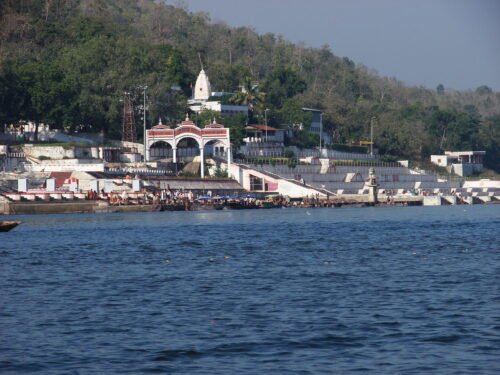
The most important festival at Mahakaleshwar Jyotirlinga is Mahashivratri. Devotees from across India visit Ujjain to offer prayers, perform night-long worship, and chant “Om Namah Shivaya.”
The temple complex and surrounding ghats remain filled with spiritual energy throughout the night.
Simhastha Kumbh Mela
Another major event connected to Ujjain is the Simhastha Kumbh Mela, held once every 12 years on the banks of the Shipra River. Millions of pilgrims gather to take a holy dip and seek divine blessings.
During these festivals, the entire city of Ujjain becomes a massive spiritual gathering.
Spiritual Experience in Ujjain
Visiting Mahakaleshwar Jyotirlinga Ujjain is not just a pilgrimage but a deeply spiritual experience.
The sound of temple bells, the chanting of Shiva mantras, and the fragrance of incense create a powerful devotional atmosphere. Pilgrims often spend time walking through the newly developed Mahakal Lok corridor, which beautifully narrates stories from Shiva mythology.
The ghats of the Shipra River also host rituals, prayers, and spiritual gatherings where saints deliver sermons and devotional music fills the air.
Local markets near the temple sell rudraksha beads, Shiva idols, sacred ash, and religious souvenirs, giving visitors a chance to carry home a small blessing from Mahakal.
How to Reach Mahakaleshwar Jyotirlinga
Reaching Mahakaleshwar Jyotirlinga Ujjain is convenient from major cities in central India.
Nearest Airport:
Indore Airport (about 58 km away)
Nearest Railway Station:
Ujjain Junction, around 2 km from the temple.
Road Connectivity:
Ujjain is well connected to cities like Indore, Bhopal, and Ahmedabad through highways and bus services.
Spiritual Significance of Mahakaleshwar Jyotirlinga
Among the twelve Jyotirlingas, Mahakaleshwar Jyotirlinga is considered extremely powerful because Shiva is worshipped here as Mahakal, the ultimate controller of time and destiny.
Devotees believe that worshipping at this temple removes fear, protects against negative energies, and grants spiritual liberation.
For centuries saints, pilgrims, and spiritual seekers have visited this sacred shrine to experience the divine presence of Lord Shiva.
Standing before the Mahakaleshwar Jyotirlinga, many devotees feel a deep connection with the eternal cycle of life, death, and rebirth.
FAQs About Mahakaleshwar Jyotirlinga
Where is Mahakaleshwar Jyotirlinga located?
Mahakaleshwar Jyotirlinga is located in Ujjain city of Madhya Pradesh on the banks of the Shipra River.
Why is Mahakaleshwar temple famous?
The temple is famous as one of the 12 Jyotirlingas of Lord Shiva and for the unique Bhasma Aarti ritual performed every morning.
What is special about Mahakaleshwar Jyotirlinga?
Mahakaleshwar is the only south facing Jyotirlinga, and the temple holds the unique tradition of worshipping Shiva with sacred ash.