
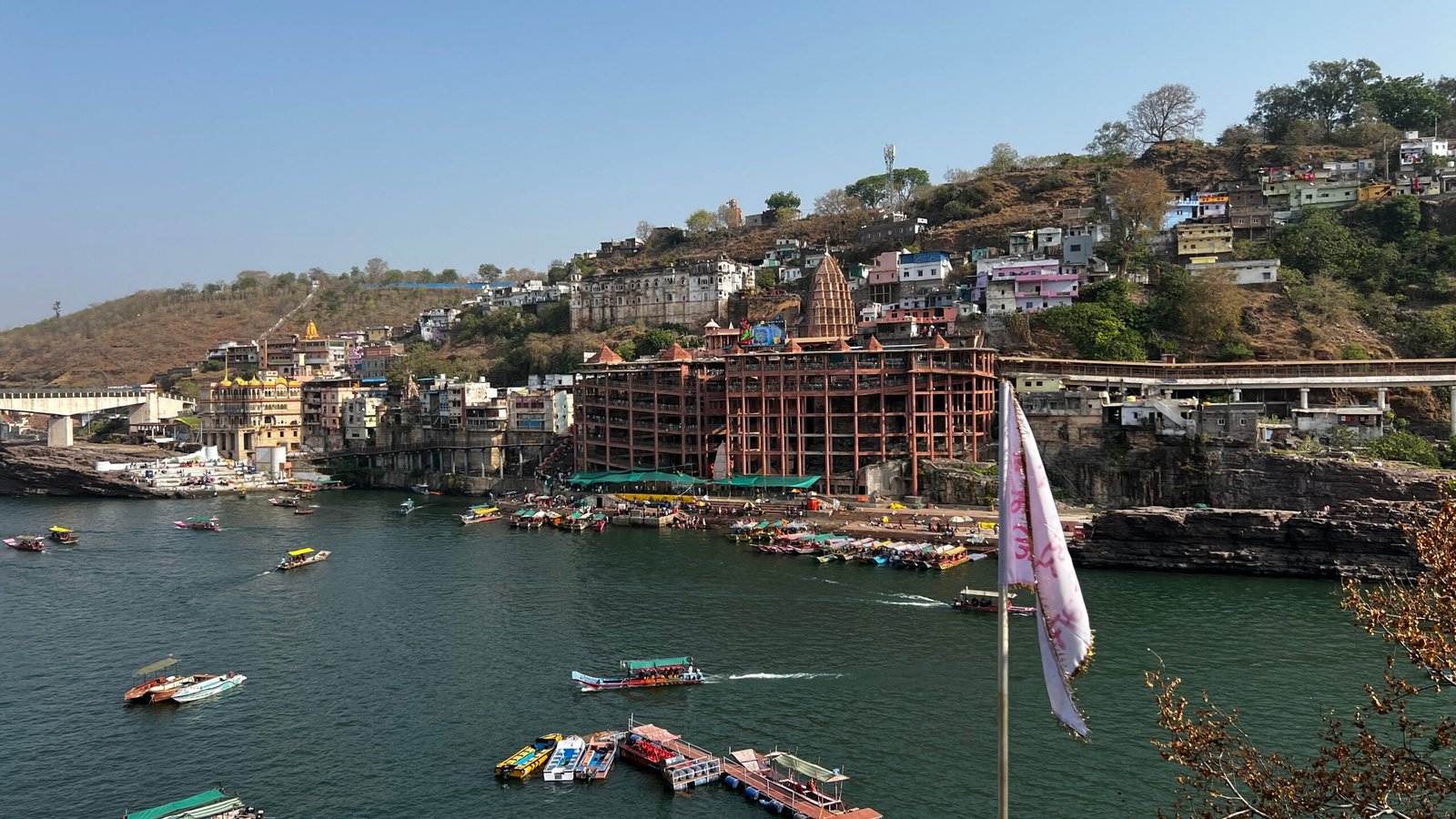
Narmada Parikrama Guide 2026 is the most complete resource to help you plan this sacred journey with clarity, covering route, distance, rules, and practical tips for pilgrims.
This sacred circumambulation is not just about physical distance; it is about discipline, faith, and inner transformation that unfolds with every step. Undertaking the parikrama is a life-changing commitment—a test of patience, devotion, and endurance. If you are planning your journey, this comprehensive Narmada Parikrama Guide 2026 will walk you through every critical detail with zero confusion and no guesswork.
Narmada Parikrama Guide 2026: Overview & Spiritual Significance
Narmada Parikrama is a revered pilgrimage where devotees walk along the banks of the holy Narmada River, completing a full clockwise circle without ever crossing the river water.
- Origin & End: Starts and finishes at the holy shrine of Amarkantak (or at major sacred ghats like Omkareshwar or Jabalpur).
- Path: Covers both banks of the sacred river (South Bank downstream, North Bank upstream).
- Core Rule: The holy river must always remain on your right shoulder (Pradakshina).
It is scripturally revered to cleanse accumulated karma, bestow spiritual liberation, and bring profound mental clarity to the pilgrim.
Narmada Parikrama Route & Circuit Overview
Following this Narmada Parikrama Guide 2026 itinerary ensures you stay along the authentic spiritual corridor across Madhya Pradesh, Maharashtra, and Gujarat:
- South Bank (Downstream): Journey westward from Amarkantak through Mandla, Jabalpur, Narsinghpur, Hoshangabad (Narmadapuram), Handia, and Omkareshwar to the Arabian Sea confluence at Vimaleshwar.
- Ocean Crossing: Pilgrims cross the sea mouth by boat from Vimaleshwar (South Bank) to Mithi Talai (North Bank) without crossing the river itself.
- North Bank (Upstream): Return eastward through Bharuch, Shuklatirth, Nareshwar, Garudeshwar, Maheshwar, Nemawar, and back to Amarkantak.
👉 What the route encompasses: Dense Sal forests, riverside tribal hamlets, ancient Shiva temples, and voluntary pilgrim ashrams. For travelers using motor transport, read our dedicated Narmada Parikrama by Car 30-Day Itinerary for complete driving checkpoints.
Narmada Parikrama Distance & Duration Breakdown
As documented in our Narmada Parikrama Guide 2026, the total mileage and travel time vary based on your mode of transport and temple detours:
- Approximate Route Distance: 2,600 to 3,200 km (depending on ghat access and bypasses).
- Walking (Padayatra) Duration: 3 to 6 months.
- Vehicle Parikrama Duration: 15 to 30 days.
| Travel Mode | Average Daily Target | Typical Duration | Best Suited For |
|---|---|---|---|
| Foot (Padayatra) | 20–30 km/day | 110–180 Days | Deep sadhana, ascetics, and dedicated seekers |
| Private Car / SUV | 80–140 km/day | 15–25 Days | Families, working professionals, and seniors |
| Organized Bus Tour | Fixed daily itinerary | 14–21 Days | Group pilgrims seeking scheduled stays |
Narmada Parikrama Rules & Spiritual Conduct
Traditional spiritual codes and strict Narmada Parikrama rules observed during the circumambulation:
- Never Cross the River Water: Pilgrims must never cross the Narmada mid-route via bridges or boats. The only permitted water transit is at the Arabian Sea mouth (Vimaleshwar to Mithi Talai).
- Carry Sacred Narmada Water: Fill a small brass or copper kalash with holy water at your starting point and carry it throughout the journey until the final immersion puja.
- Sattvic Lifestyle: Consume strictly vegetarian food without onion or garlic where possible. Avoid using chemical soaps or detergents directly in the holy river.
- Remain Close to the River: Walk or travel within sight or proximity of the Narmada banks (Narmada Kanth).
- Simplicity and Humility: Greet every fellow traveler, local villager, and sadhu with the sacred greeting “Narmade Har!”
Best Time for Narmada Parikrama (Seasonal Guide)
Choosing the best time for Narmada Parikrama is essential for health, road safety, and spiritual comfort:
- October to March (Ideal Season): The post-monsoon and winter months offer cool days and pleasant walking conditions.
- Avoid Monsoon (June to September): River currents swell dangerously, low bridges submerge, and forest footpaths become impassable.
- Summer Caution (April to June): Narmada valley temperatures routinely exceed 42°C, making midday walking physically hazardous.
Narmada Parikrama by Foot vs Vehicle
Walking Parikrama (Padayatra)
- Experience: Unmatched spiritual depth, physical endurance, and complete reliance on divine grace.
- Logistics: Daily halts at riverside ashrams, village temples, or community Dharamshalas offering free food (Sadavrat).
Vehicle Parikrama (Car / Bus)
- Experience: Fast, convenient, and manageable for working professionals or seniors with physical constraints.
- Logistics: Night halts in hotels, guest houses, or larger town ashrams near motorable ghats.
Important Places & Ashrams
Key spiritual halts along both banks include:
- Amarkantak: The holy origin at Narmada Udgam Temple and Mai ki Bagiya.
- Jabalpur: Gwarighat Aarti, Bhedaghat marble rocks, and Chausath Yogini Temple.
- Omkareshwar: Sacred island Jyotirlinga and traditional starting/finishing point for millions.
- Maheshwar: Ahilya Fort and majestic riverside stone ghats.
- Nemawar: The sacred geographical center/navel (Nabhi Sthan) of Maa Narmada.
- Bharuch & Vimleshwar: Historic estuary ghats near the Arabian Sea confluence.
For verified stay options, check our complete Narmada Parikrama Ghats and Ashrams Directory. You can also verify official state tourism accommodation at Madhya Pradesh Tourism.
Step-by-Step Narmada Parikrama Guide 2026 Checklist
- Select Your Travel Mode: Decide between traditional walking or a vehicle-based route.
- Check Auspicious Muhurat: Check favorable dates and planetary alignments using our Free Janma Kundali Online Calculator.
- Map Checkpoints & Fuel Stops: If driving, download offline maps as mobile networks drop in forest valleys.
- Carry Light Essentials: Keep your pack below 8–10 kg if walking.
- Take the Formal Sankalp: Begin your journey with Sankalp Puja at your chosen starting ghat.
Essential Things to Carry
- Government Photo ID (Aadhaar / Voter ID / Passport)
- Basic medical kit (electrolytes, pain relief balm, bandages, personal medications)
- High-capacity power bank and LED headlamp/torch
- 2–3 pairs of quick-dry cotton clothing
- Sturdy, broken-in walking shoes and woolen layers for winter nights
- Brass/copper water flask for holy water
Safety Tips
- Daylight Travel: Avoid walking or driving through isolated forest stretches after sunset.
- Local Advice: Always listen to riverside ashram caretakers regarding water levels and trail safety.
- Hydration: Drink clean filtered or boiled water; stay hydrated during midday hours.
- Respect Local Customs: Ask permission before photographing ashram rituals or sadhus.
Narmada Parikrama Guide 2026 FAQs
Is official registration required for Narmada Parikrama?
No government or official temple registration is required to perform Narmada Parikrama. It is an open, voluntary spiritual tradition. Always carry personal photo identification for routine security checks.
How long does Narmada Parikrama take to complete?
A walking parikrama typically takes 3 to 6 months depending on your daily walking pace. A vehicle parikrama by car or tour bus takes 15 to 30 days.
Can beginners perform Narmada Parikrama?
Yes. Beginners can complete the parikrama successfully by choosing vehicle transport or walking in organized pilgrim groups with proper route planning.
Prefer reading in Hindi? Read our complete नर्मदा परिक्रमा संपूर्ण मार्गदर्शिका 2026 for detailed guidance in Hindi.